What GCC Manufacturers Buy Matters as Much as What They Sell
MEDL’s observations from Made in GCC 2026 in Bahrain on GCC manufacturing, industrial sourcing and commercial connections with Türkiye.
By MEDL International Business Relations
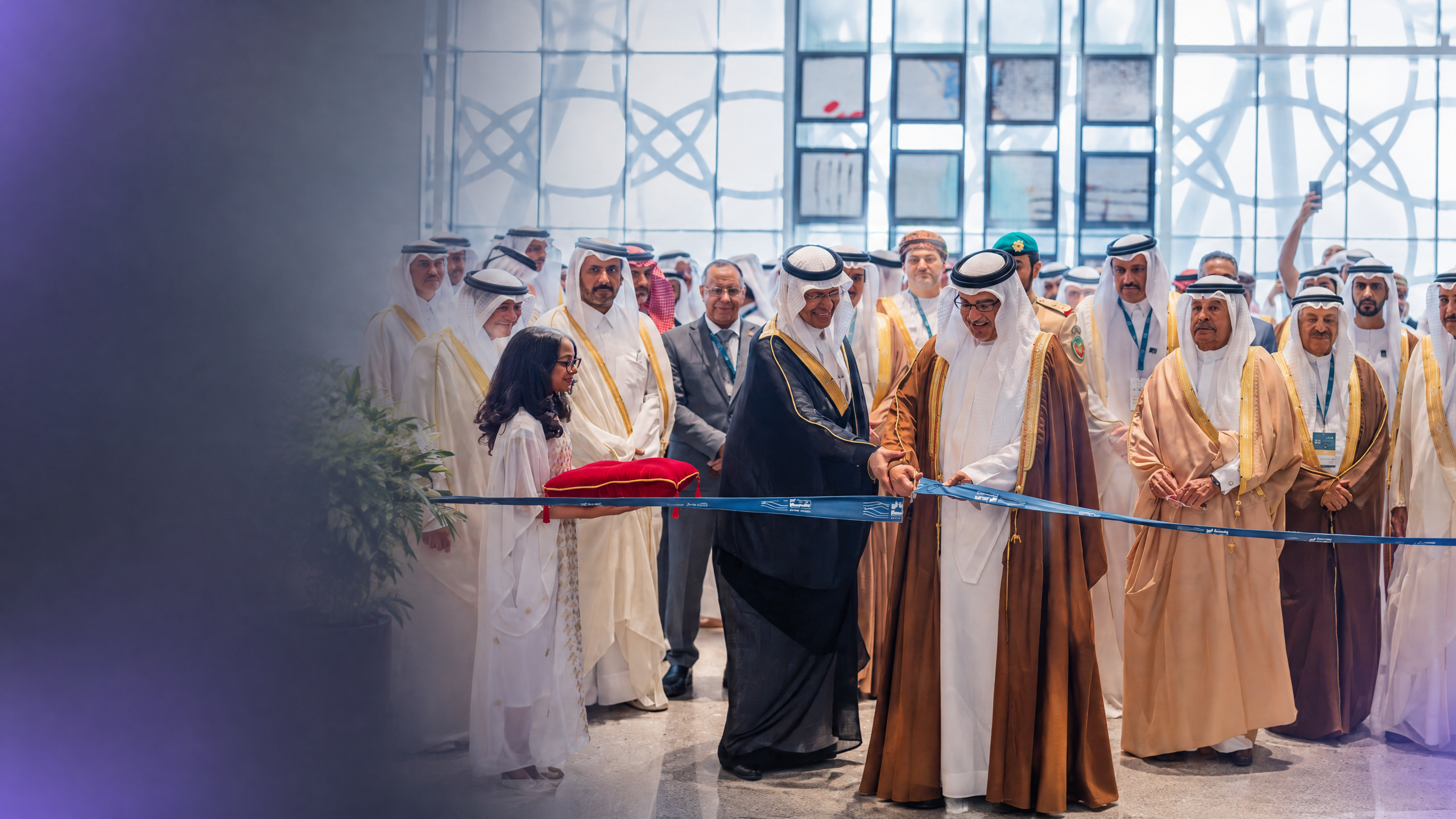
MEDL attended Made in GCC 2026 in Bahrain from 6 to 8 October at Exhibition World Bahrain, Sakhir. The event was organised by Bahrain’s Ministry of Industry and Commerce and the GCC General Secretariat. Its official focus included GCC industrial integration, competitiveness, supply-chain resilience, advanced manufacturing and access to regional and global markets. The official Made in GCC programme describes the forum and exhibition as a platform for showcasing GCC industrial capabilities, products, technologies and industrial solutions.
For MEDL, the value of an exhibition is not limited to seeing finished products or collecting catalogues. It is the quality of the commercial conversations that follow.
Look beyond what a manufacturer sells
When visiting a manufacturing exhibition, one of the most interesting questions is not only what a company sells, but what it still needs to buy.
A manufacturer may be a supplier of finished products and, at the same time, a buyer of industrial inputs. It may need machinery, spare parts, raw materials, components, packaging, technical equipment or other production requirements. It may also be looking for buyers, partners or a route into another market.
This changes the way a conversation should begin. Instead of asking only for a product catalogue, it can be more useful to understand what the company is producing, which markets it serves, what it is trying to develop and where an external supplier or commercial relationship may support that work.
Manufacturing creates demand around it
GCC industrial growth creates demand beyond the factory gate. Cables and electrical materials, copper and conductive materials, industrial equipment, components, building materials, packaging and logistics all form part of the wider commercial picture.
The official Made in GCC programme reflected that breadth. Its listed sectors ranged from aluminium, petrochemicals, steel and building materials to machinery, plastics and packaging, electronics, automotive, food, pharmaceuticals and logistics. Its strategic themes included industrial integration, global market access, supply-chain resilience, green manufacturing and smart manufacturing.
This does not mean that every requirement is immediately an opportunity. A useful connection still depends on a clear specification, the right decision-maker, realistic timing and a supplier able to meet the requirement. The first task is to identify what is actually needed and whether there is a reasonable fit.
Connecting GCC and Türkiye
Türkiye may be relevant to some of these requirements because of its broad manufacturing base. The practical question is not whether Türkiye can supply everything. It is whether a particular Turkish manufacturer is appropriate for a particular GCC requirement.
That may involve a cable or electrical-material requirement, a copper or conductive-material need, machinery, an industrial component, a building-material input or packaging. In the other direction, a GCC manufacturer may be looking for buyers, partners or commercial routes into Türkiye.
MEDL’s role is to understand the requirement, identify whether a qualified connection may exist and establish a direct conversation between the relevant companies. An introduction is not a transaction, and an exhibition conversation is not an agreement. Both sides still need to assess technical fit, commercial terms, capacity and timing.
The value of direct conversations
Websites and catalogues show what a company wants to present. Direct conversations can reveal what it is trying to solve, where it is expanding, what it is importing and who is responsible for the next decision.
That distinction mattered in MEDL’s conversations at Made in GCC 2026 with manufacturers, business-development representatives, sales engineers and decision-makers. The useful outcome was not simply a larger collection of business cards. It was a clearer view of the relationships between manufacturing capability, sourcing needs and market development.
The official exhibitor directory lists companies such as Arab Shipbuilding & Repair Yard Co. (ASRY) and Bahrain Aluminium Extrusion Co. (BALEXCO), among many others. Their listing should not be read as a partnership, endorsement or confirmed project involving MEDL.
Looking ahead
GCC manufacturers can be suppliers, buyers and potential exporters at the same time. Understanding all three positions creates a more accurate view of regional trade.
MEDL will continue following up on relevant conversations and examining practical commercial connections between GCC companies and Türkiye. The starting point remains simple: define what a company needs, understand what it can offer, and introduce the right people only when there is a credible reason for them to speak.
Sources: Made in GCC 2026 official event website; official exhibitor directory; Bahrain Crown Prince official launch announcement.
Found this article helpful? Share it with your network.
What are you working on?
Which market are you considering?
Working on a business requirement?
You can request MEDL membership and tell us what would help. Member access is by invitation following review.
Request membershipComments
Leave a Comment
Stay Updated
Get the latest insights on GCC-Turkey business opportunities delivered to your inbox.